
Evidence-Led Supplier Qualification for Cross-Border Equipment Sourcing
An editorial framework for separating verified supplier evidence, project requirements and contractual responsibility.
Editorial guidance for local review. This article is a general sourcing framework, not a claim about a specific factory, product or completed order.
Start with the project requirement
Define the intended application, capacity, operating conditions, applicable standards, destination, schedule and required delivery scope before comparing factories. A clear requirement prevents a catalogue image or an isolated parameter from being treated as a complete technical solution.
Verify the legal and manufacturing source
Review the named entity on business registration, operating licences, management-system certificates and intellectual-property records. Confirm that each document belongs to the stated source supplier, remains within its validity period and covers the relevant activity. Corporate evidence should remain attributed to its actual holder.
Separate capability evidence from order evidence
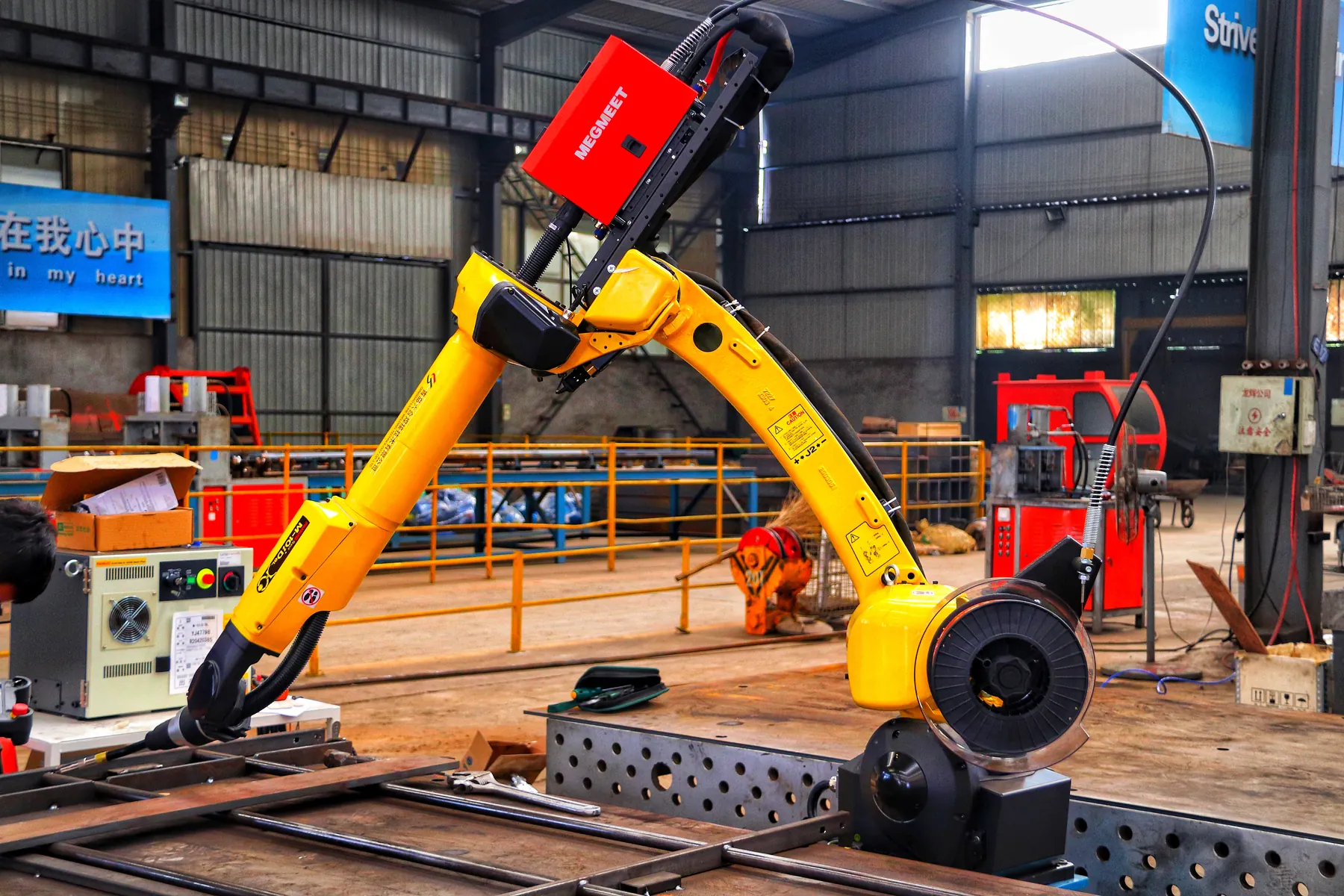
Workshop photographs, equipment lists, brochures and project images can show visible capability and experience. They do not by themselves confirm the final manufacturer, specification, performance guarantee or supply scope for a new order. Those points belong in the technical review and contract.
Define control points before production
Agree the drawing review, material confirmation, inspection stages, testing records, document package, packing method and release criteria. The quotation and contract should identify who is responsible for each control point and how deviations will be handled.
Keep one accountable commercial route
For a GoEastAI order, the confirmed quotation, contract, delivery scope and after-sales responsibility are agreed with GoEastAI as the customer-facing supplier. Manufacturing-source evidence stays attributed to the actual factory while the commercial obligations remain defined by the signed order documents.
Tell us what the project needs.
Share the known technical and delivery information. Missing details can be clarified during the initial review.
- Equipment and intended application
- Capacity, standard and destination
- Drawings or specification files when available